We’re now moving into the friction management part of our System Thinking series ahead of InnoTrans 2026.
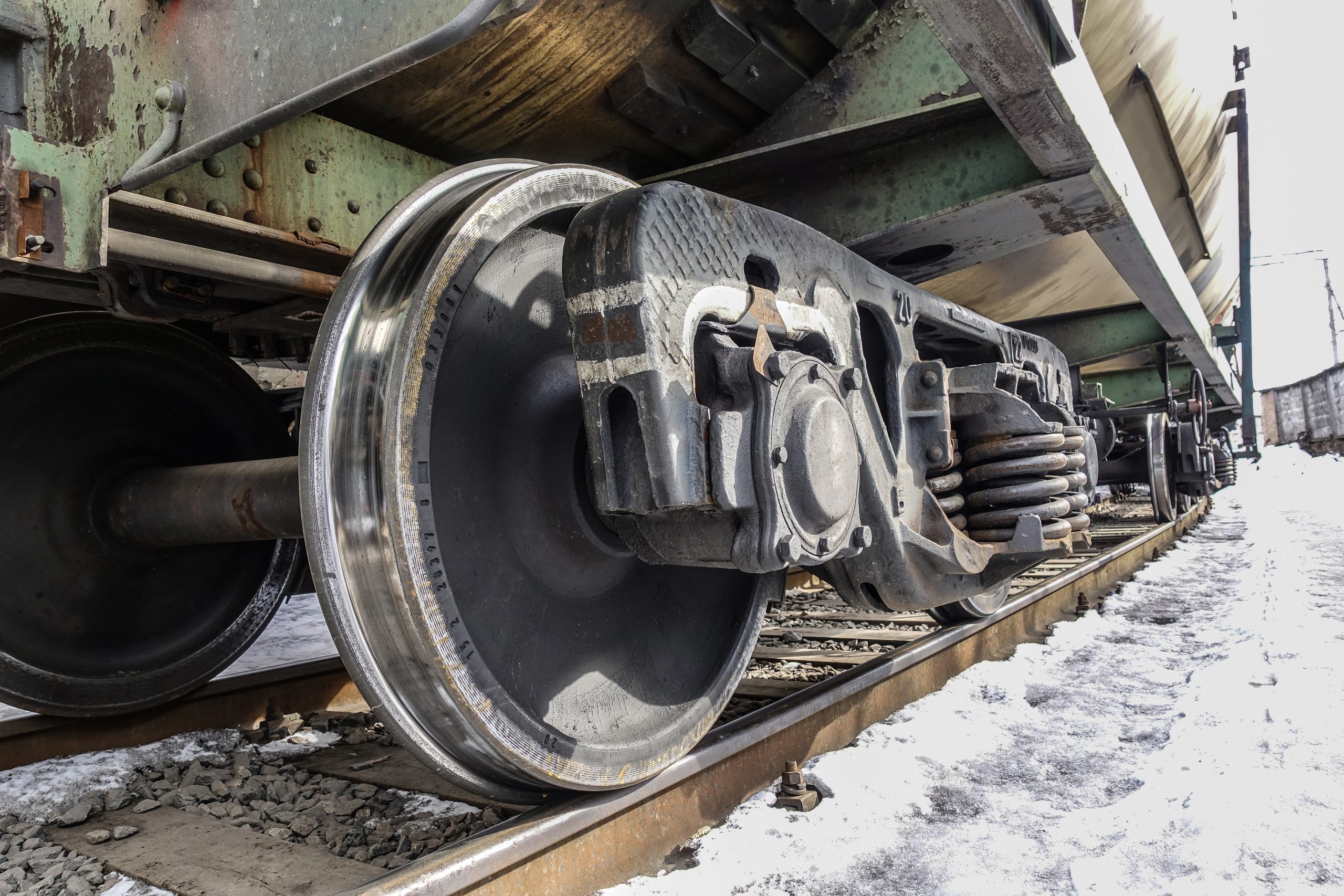
The first two blogs focused on trackside equipment and the importance of getting lubricant to the right place. The next part of the story is what happens once it gets there, and how managing friction at the Wheel Rail Interface can influence everything from wheel and rail wear to the amount of noise generated across the network.
Rail Safety and Standards Board (RSSB) has recently published its Friction Management Systems (S391) knowledge search, bringing together current knowledge around flange lubrication and Top of Rail friction control on the GB mainline. The research provides some useful insight into the impact friction management can have in practice, while also highlighting why different parts of the Wheel Rail Interface need to be treated differently.
Managing Different Areas of the Wheel Rail Interface
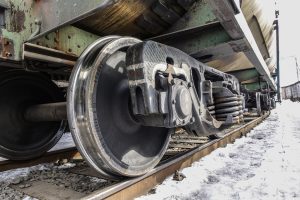
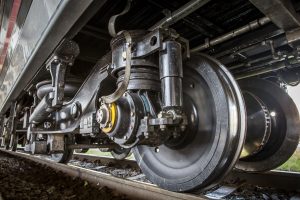
There is a big difference between reducing friction at the gauge face and controlling it at the top of the rail. At the gauge face, the aim is to minimise friction where the wheel flange makes contact with the rail, reducing wear on both surfaces. Top of Rail friction control has a different job because enough friction needs to remain between the wheel tread and rail for effective traction and braking.
The figures included within the RSSB knowledge search put that difference into context. Dry track typically has a coefficient of friction above 0.4, with 0.5 to 0.7 being most common. For Top of Rail friction control, RSSB identifies 0.3 to 0.4 as the generally accepted target range in the UK and US.
This is an important part of how RS Clare approaches the Wheel Rail Interface. Friction management isn’t simply a case of applying lubricant wherever wheel and rail meet. The product, application method and level of friction required all depend on which part of the interface is being managed.
What Difference Can Effective Friction Management Make?
Effective friction management helps reduce the forces acting between the wheel and rail, limiting wear and the damage that can build up through repeated contact over time.
One of the studies referenced by RSSB looked at a Top of Rail friction management trial carried out on Heathrow Express in 2006/07. The trial recorded up to a 50% reduction in leading axle lateral force, with reduced wheel tread wear and reduced low rail corrugation also reported.
For rail operators, these are important outcomes. Reducing the forces acting through the Wheel Rail Interface has the potential to change how quickly components wear and how frequently intervention is required. It also shows why friction management needs to be considered alongside the condition of the wider system rather than treated as a standalone lubrication exercise.
Friction Management and Rail Noise
Noise is another area where the impact of friction management can be seen clearly, particularly where wheel squeal becomes an issue on tighter curves.
RSSB references an Istanbul trial where the use of Top of Rail material resulted in a 19 dBA reduction in wheel squeal. The knowledge search also discusses the role friction management can play in reducing rolling and curving noise, as well as its indirect impact through the reduction of wheel and rail surface damage.
Noise reduction is an important part of the conversation around the Wheel Rail Interface for RS Clare, particularly because it demonstrates how the benefits of friction management can extend beyond protecting the wheel and rail themselves. The way friction is managed can also make a noticeable difference to the environment around the railway and the experience of passengers travelling on it.
Wheel Rail Interface as a System Thinking Approach
The research highlighted by RSSB reinforces something that sits at the centre of RS Clare’s approach to friction management. There isn’t one friction level, one product or one application method that is right for every part of the Wheel Rail Interface.
The trackside equipment we’ve covered earlier in this series is one part of that picture. The lubricant or friction control material is another. What matters is how the two work together and whether the solution being used is right for that particular point of the Wheel Rail Interface.
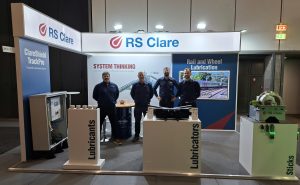
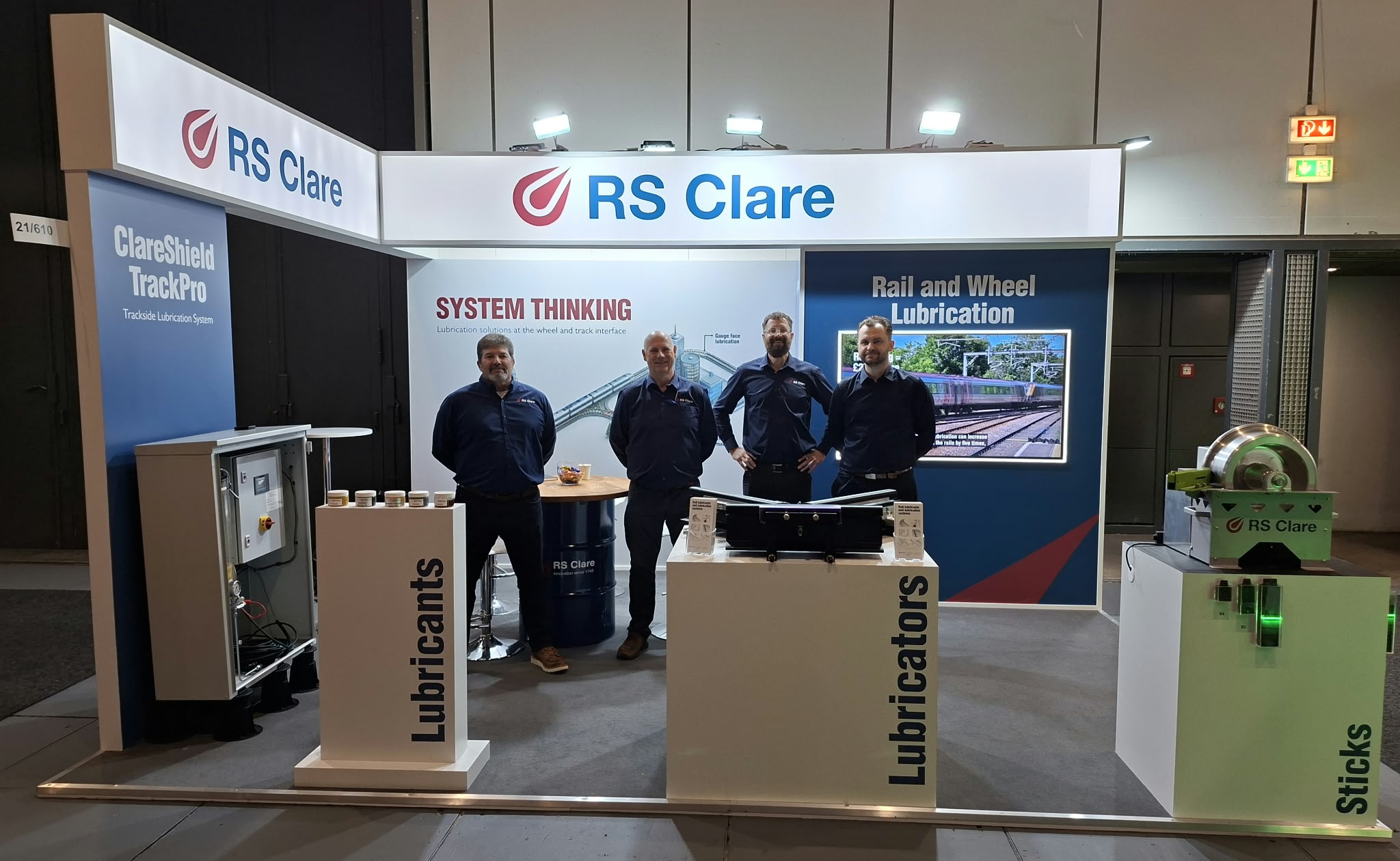
This is what RS Clare means by System Thinking and it’s a major part of what we’ll be demonstrating at InnoTrans 2026. Our friction management solutions cover different areas of the wheel and rail, with each designed around the conditions and type of contact being managed.
RSSB’s new knowledge search provides a useful independent overview of the principles behind this and the research that has shaped friction management across the GB mainline. For anyone working around the Wheel Rail Interface, it’s well worth a read.
In the next blog in our InnoTrans series, we’ll take this a step further by looking at RS Clare’s own approach to friction management and the solutions we’ll be showcasing in Berlin.