Trackside lubrication plays an important role in protecting rail infrastructure by managing the contact between the wheel and rail.
Without effective lubrication, increased friction can lead to greater wear on the gauge face and wheel flange. Over time, this can mean more maintenance and higher costs across the network.
Ahead of InnoTrans 2026, we’re looking at the different parts of the Wheel Rail Interface and how they work together. We’re starting with trackside lubrication because the performance of any lubricant depends on how effectively it gets onto the rail in the first place.
Using Trackside Equipment
Trackside equipment gets lubricant onto the rail as trains pass through the network.
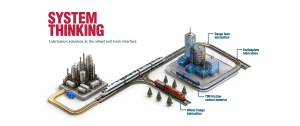
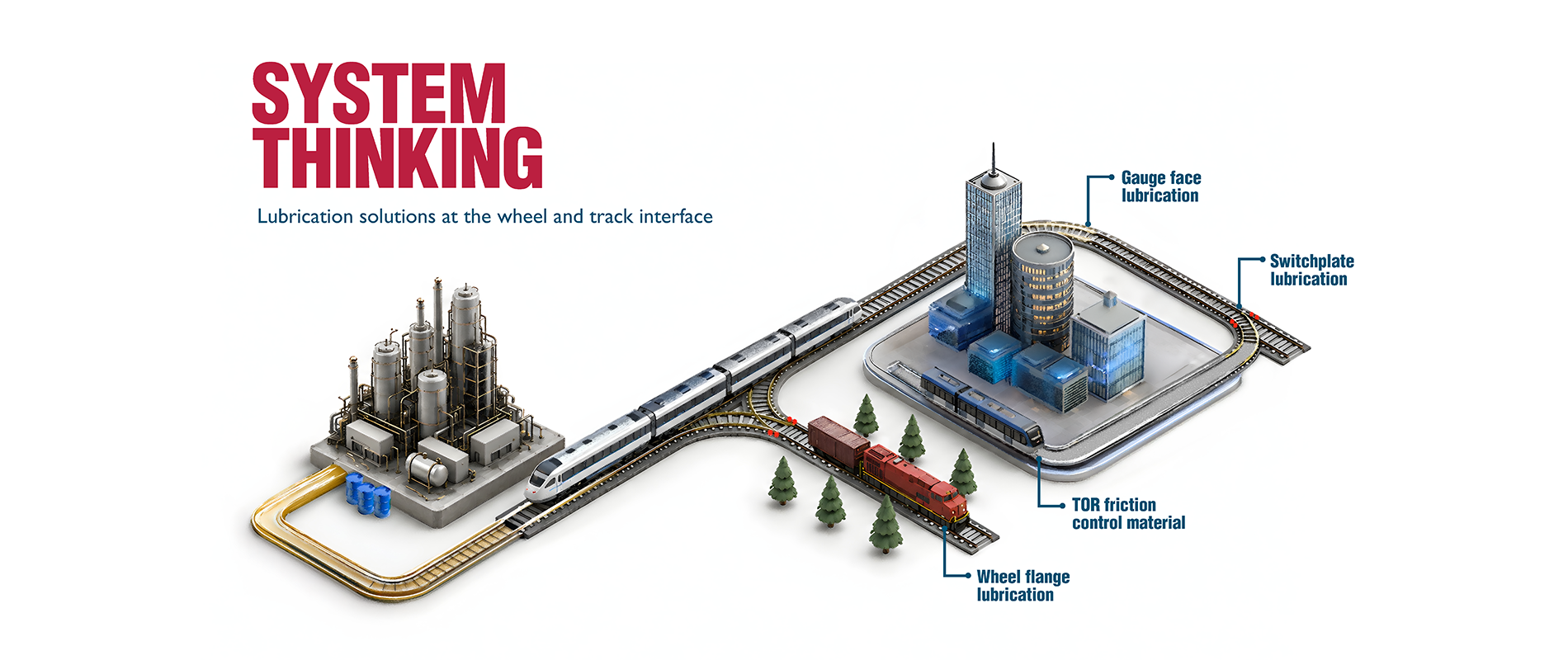
For gauge face lubrication, grease is applied where the wheel flange makes contact with the rail. Top of Rail systems work differently, applying friction control material to the rail head where the wheel tread and rail meet.
In both cases, getting the application right matters. The system needs to deliver the right amount of product where it’s needed and continue doing that reliably between maintenance visits.
The equipment also needs to be practical to inspect and maintain. Blocked ports, for example, can prevent lubricant reaching the intended application point and mean somebody needs to go out and fix the problem.
ClareShield TrackPro has been designed with this in mind. The system uses an inductive wheel sensor and high-pressure pump, with a Siemens Logo control unit used to manage its operation.
TrackPro can also include Remote Condition Monitoring (RCM), depending on the connectivity available. This gives maintenance teams more information about how the system is performing between inspections, so they can make better decisions about when a site visit is actually needed.
That becomes particularly useful across larger networks. When teams are responsible for long sections of track, avoiding an unnecessary visit can save a considerable amount of time and resource.
Why isn’t it just about putting lubricant on the rail?
Good trackside lubrication comes down to getting enough product onto the right part of the rail without using more than is needed. Too much creates unnecessary waste, while too little can leave the wheel and rail without the protection the lubricant is there to provide.
The equipment and lubricant therefore need to work together. There’s little benefit in using a high-performance lubricant if the equipment isn’t applying it properly. Equally, a well-designed application system can only do so much if the lubricant isn’t right for the conditions.
This is the rationale behind RS Clare’s System Thinking approach. Rather than choosing the equipment and lubricant separately, RS Clare looks at how they will perform together on the network.
Getting that combination right can make a significant difference. Depending on the application, RS Clare’s trackside systems can reduce grease consumption by up to 50% and maintenance intervention by up to 50%.
What Trackside Lubrication works for you?
There isn’t one trackside lubrication setup that will work everywhere. The right system depends on the location, how the network operates and what needs to be achieved on that particular section of track.
ClareShield TrackPro can therefore be configured in different ways to suit the installation. Drilled rail application is available, the cabinet can be positioned in different locations and there are several options for powering the system. Lubrication can also be triggered in different ways, including by train sensors, train or axle counts and timed intervals.
It’s a good example of why RS Clare looks at the complete application rather than choosing equipment in isolation. The aim is to put together a system that works for the location and can continue doing its job without creating unnecessary maintenance.
At InnoTrans 2026, RS Clare will be demonstrating how this approach is applied across its trackside solutions, including gauge face lubrication, Top of Rail application and ClareShield TrackPro.
The next blog in the series will look more closely at that equipment and how smarter trackside systems can help reduce maintenance intervention.