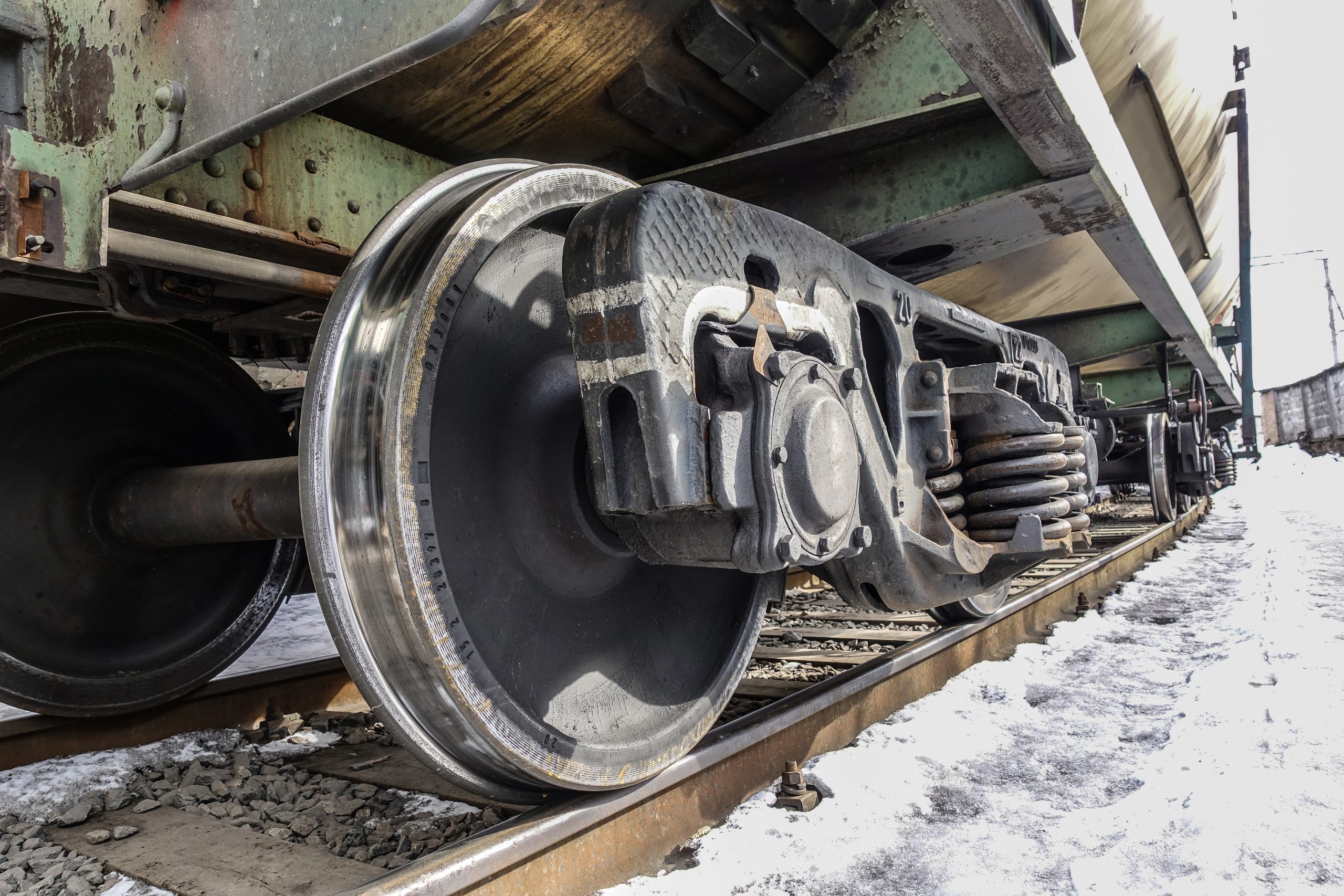
In the previous blog, we looked at why trackside lubrication is such an important part of protecting rail infrastructure. Lubricant may do the work once it reaches the rail, but its performance depends on the equipment responsible for delivering it.
Trackside equipment has changed significantly over the years. Rail operators are under constant pressure to reduce maintenance intervention without compromising performance, making application accuracy more important than ever. Every unnecessary site visit takes time and resource, so trackside systems need to be reliable enough to continue performing between planned maintenance.
Modern systems are now designed to control when product is applied and how much is delivered which helps maintenance teams spend less time reacting to issues and more time focusing on planned maintenance.
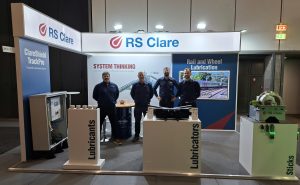
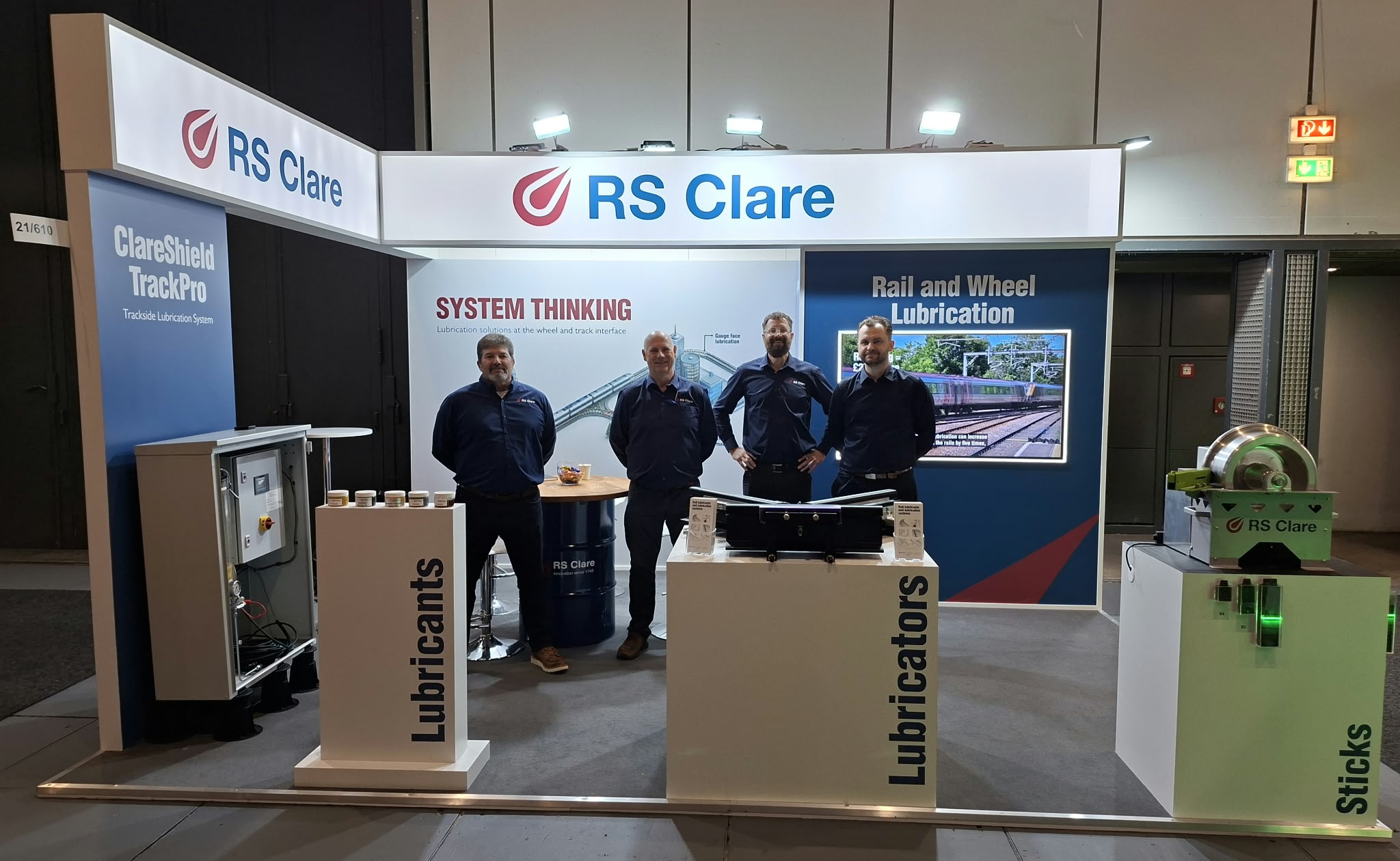
At InnoTrans 2026, RS Clare will be showcasing the technologies behind this approach, including ClareShield TrackPro, Gauge Face Lubricators and Top of Rail application systems. In this blog, we’ll look at how each contributes to reducing maintenance intervention while supporting a more effective lubrication strategy.
Our Trackside Systems & Equipment
ClareShield TrackPro
ClareShield TrackPro is a high-performance electrical trackside lubrication system designed around the requirements of the network and the location where it’s installed. This means it has the capability for long pipe runs providing greater flexibility in its location. The system uses an inductive wheel sensor to detect passing trains, with different trigger mechanisms available depending on how operators want lubricant to be applied.
A big part of reducing maintenance intervention is knowing how the system is performing without having to physically inspect it every time. TrackPro has Remote Condition Monitoring (RCM) capability, with available monitoring options including grease levels and whether the cabinet door is open or closed. The exact functionality depends on the connectivity used, but it gives maintenance teams more information about the system between visits and can help them plan intervention around when it’s actually required.
The system itself has also been developed with maintenance requirements in mind. RS Clare uses premium electronic and hydraulic components within TrackPro to support low maintenance and longevity of service, with the overall system designed to help minimise whole-life costs.
Gauge Face Lubrication
Gauge face lubrication applies grease directly to the gauge face, helping protect the point where the wheel flange makes contact with the rail. How that grease reaches the rail has an important impact on how efficiently the product is used and how much maintenance the system requires.
Reducing wasted grease has a direct impact on how much product the system needs over its lifetime. Accurate gauge face application through ClareShield TrackPro can reduce grease consumption by up to 50%, while the system design also helps reduce the risk of blocked ports.
RS Clare offers both Grease Distribution Unit (GDU) and drilled rail applications as part of our trackside equipment range. The drilled rail system uses precision-drilled holes to apply product directly to the required area, with programmable control options used to manage the volume being delivered. This helps reduce the amount of grease that ends up on the surrounding infrastructure while ensuring product reaches the gauge face for effective wheel pick-up.
For GDU applications, RS Clare uses an adjustable design that can accommodate different rail profiles. The short four-port bars are designed to be used in pairs and can swing out of the way when access to the track is required for maintenance.
Top of Rail Application
Top of Rail application is used to manage friction between the wheel tread and rail head. Unlike gauge face lubrication, the objective isn’t simply to reduce friction, but to control it within a set tolerance at the wheel/rail interface.
ClareShield TrackPro can be used for Top of Rail application as well as gauge face lubrication, allowing friction control material to be delivered through the same trackside system approach. RS Clare’s ClareShield TOR-WS has been developed specifically as a Top of Rail Friction Control Material and is suitable for use in wayside applicators.
The performance of the material also has an impact on the amount of trackside equipment required. ClareShield TOR-WS has demonstrated carry down of up to three miles in a freight environment, meaning the material continues to perform beyond the initial application point. Longer carry down can reduce the number of application points required across a section of track, which in turn means less equipment for maintenance teams to manage.
Reducing Whole-Life Costs
The cost of a trackside lubrication system goes beyond the equipment installed beside the rail. The amount of lubricant being consumed and the maintenance required throughout its working life all contribute to the overall cost of operating the system.
This is why reducing intervention and grease waste are closely connected to whole-life cost. If lubricant can be applied more accurately, less product is wasted between application points. If the condition of the system can be monitored remotely, maintenance teams have more information available before deciding whether a physical visit is needed.
TrackPro has been developed around these considerations, with the system being specifically designed for low maintenance and longevity of service to help minimise whole-life costs. Combined with the potential to reduce grease consumption by up to 50%, this allows operators to look beyond the initial cost of the equipment and consider what the system will require throughout its operational life.
At InnoTrans 2026, RS Clare will be showcasing ClareShield TrackPro alongside its Gauge Face and Top of Rail application technologies, giving visitors the opportunity to see how the equipment works and where each system fits within the wider Wheel Rail Interface.
In the next part of our System Thinking series, we’ll move from the equipment to the Wheel Rail Interface itself and look at what happens when the wheel and rail meet.